Trump’s Payola: Paying for Access?
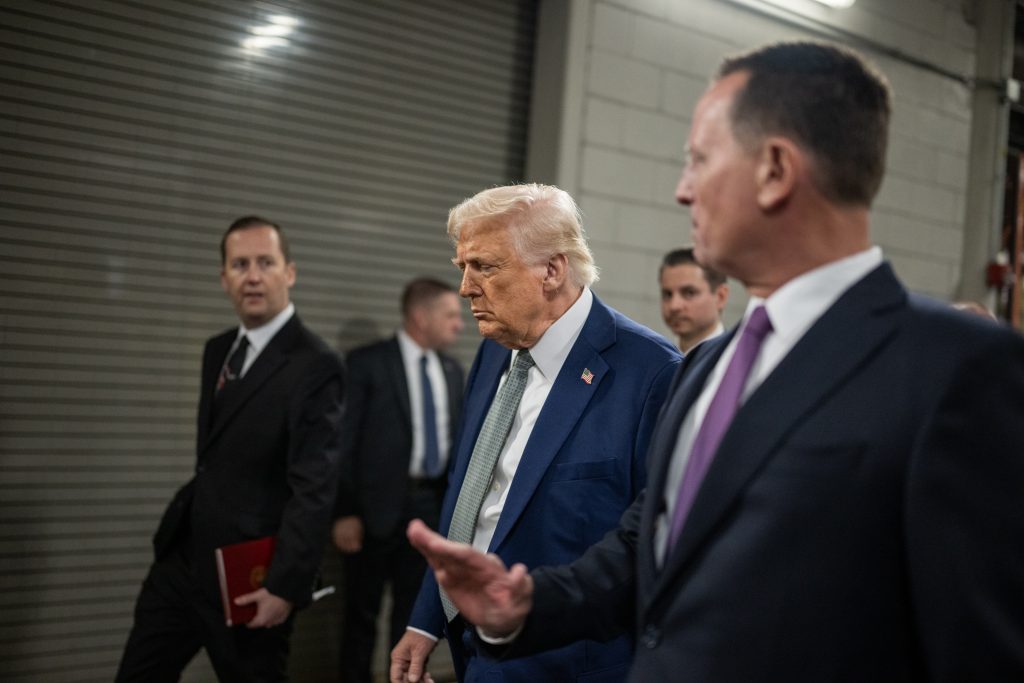
File photograph: Donald Trump and Ric Grenell at the Kennedy Center, March 17, 2025. Official White House photo by Daniel Torok.
A donation should buy support for an institution. When presidential access enters the pitch, the public deserves the receipts.
Axios reports an alleged offer linking Kennedy Center donations to presidential access. Ric Grenell denies sending the message at issue.[1]
The New York Post reported October 14 that Alina Habba accused Grenell of failing to deposit $5.6 million intended for the Kennedy Center from her husband, Turhan Mildon. An administration official told the paper the alleged donation formed part of a $17.6 million business payment. Trump referred the complaint to White House Counsel Will Scharf. Grenell denied wrongdoing, and the paper also reported skepticism among administration sources.[2]
The reporting cited here does not establish that Trump received money or authorized an exchange. Those distinctions belong at the beginning of this story.
But the business question deserves a direct answer: what, exactly, was the payer supposed to receive?
In an ordinary transaction, the paperwork identifies the customer, the recipient, the price and the promised service. A dispute can then be tested against the contract and the bank records. Political proximity should never become an excuse for accepting less clarity.
A serious review should trace each payment from its originating account to its final destination. It should establish who owned the funds and who had authority to move them. Any charitable portion should reconcile with the recipient institution’s records. Any commercial portion should have a documented purpose.
Then comes the access question. Investigators need to establish whether anyone promised introductions, meetings or official assistance; whether such a promise was authorized; and whether anything was delivered. A photograph with a powerful person cannot answer those questions. Neither can an accusation standing alone.
There are several possibilities to distinguish. A legitimate arrangement may have been misunderstood. Someone may have exaggerated influence they did not possess. Or evidence may establish an improper exchange. Each possibility requires proof, and each points to a different conclusion.
For Donald Trump Inc., the concern is how influence gets priced. If a private intermediary can market proximity to public power, the public needs to know where that intermediary’s authority begins and ends. If someone falsely claims to sell that proximity, officials have reason to expose the claim.
That is why the outcome should include an explanation supported by records. A personnel feud, a denial or an announcement that the matter has been reviewed would leave the central transaction unanswered.
Presidential access should never depend on an undisclosed private price. Establish whether there was one here. Show who paid, what was promised and where the money went. Let the evidence determine whose account holds up.