Don’t Buy the Mine—Control the Output
Analysis | Venezuela’s reported coal talks raise a business question: how much influence can a contract deliver without ownership?
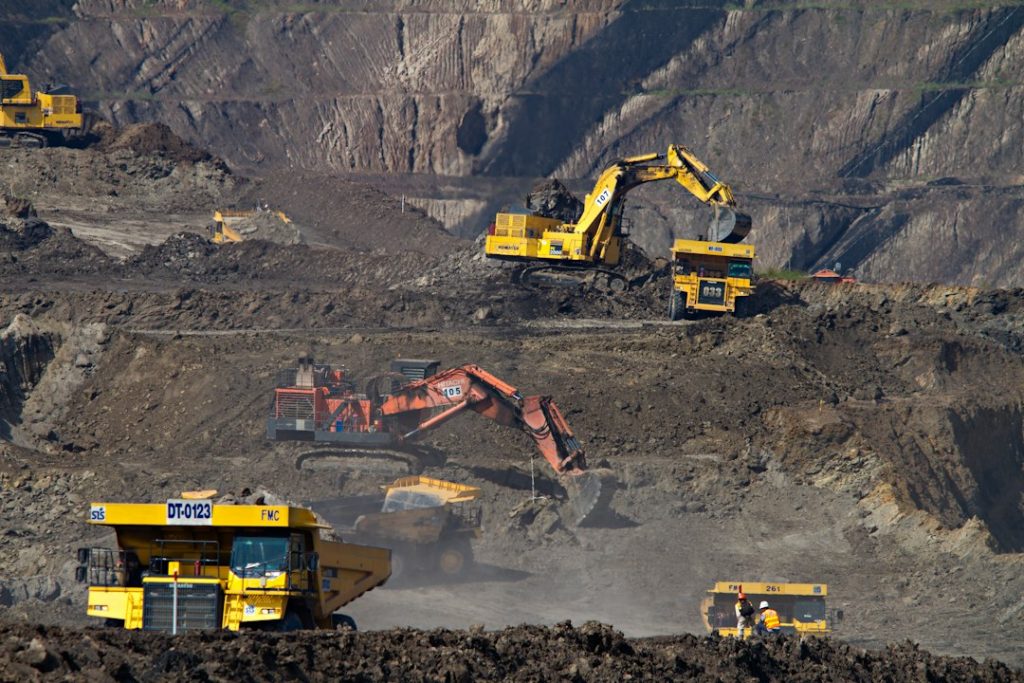
Coal mining in Indonesia, shown for illustration; this is not a Venezuelan mine or a site identified in the reported talks. Photo: Dominik Vanyi / Unsplash.
A mine’s owner, its operator and the buyer of its production do not have to be the same party. That separation is where a transaction can become strategically interesting.
Reuters, citing Bloomberg on September 30, reported possible Venezuelan coal bids involving Glencore and Peabody, and separately Heeney Capital with Drummond. Discussions reportedly concern operating and offtake rights rather than mine ownership. Glencore declined comment; the others had not immediately responded to Reuters. These are reported talks, not a completed transaction.
Read the rights, not just the title
Ownership answers one question: whose asset is it? An operating contract can answer another: who gets to run it? An offtake agreement concerns the purchase of production. Neither label, by itself, tells us how much power a participant would actually hold.
Consider a hypothetical arrangement. A resource owner retains title, an outside company manages extraction, and a buyer commits to purchasing an agreed share of production. Each has a different role. The operator might influence output through its operating decisions; the buyer might secure supply through its purchasing rights. But neither necessarily gains unrestricted authority over the resource.
Everything turns on the details: exclusive or shared rights, contract length, pricing, volume commitments, oversight and termination provisions. A short purchase agreement and a decades-long exclusive arrangement would have very different implications.
The Greenland connection has limits
Readers of Trump Inc.’s Greenland coverage will recognize the underlying question: can access and enforceable rights deliver influence without a transfer of ownership?
That is a useful comparison of deal structure. It does not make commercial mining negotiations equivalent to a sovereign security agreement. Corporate purchasing rights would not, by themselves, give Washington authority over a mine or Venezuela’s resources.
Any claim that a prospective transaction represents a Trump administration achievement would need additional evidence: a documented government role, a completed agreement and identifiable benefits. A company’s interest in a resource is not enough to establish that chain.
Who gets paid—and who pays first?
For the resource owner, the potential attraction is outside capital, operating capacity and a buyer. For an investor, it might be access to production without acquiring the underlying asset. Those are possible incentives, not established terms of these negotiations.
The harder questions concern costs. Who funds equipment and transport? Who bears losses when prices fall or production misses targets? Does the buyer have to purchase a minimum volume? Who is responsible for worker safety, environmental damage and eventual closure?
A transaction can look attractive at the negotiating table while leaving one participant with most of the downside. The headline cannot settle whether a deal would be commercially viable or beneficial to the communities around the mines.
What would make this a measurable story?
The next meaningful evidence would be a signed agreement identifying the parties, assets and enforceable rights. After that, the useful measures would include committed investment, actual production, shipment destinations, payments to the resource owner and compliance with operating obligations.
Duration matters too. A promise of access has limited value if it can be withdrawn easily; a durable contract still depends on performance and enforcement.
“Control the output” is therefore a question to investigate, not a result to declare. If a deal emerges, judge it by the decisions it allows each party to make, the revenue it distributes and the risks it assigns. The ownership certificate would be only the beginning of that assessment.
Source and disclosure: News summary based on Reuters’ September 30, 2026 report citing Bloomberg. Trump Inc. has not independently confirmed the negotiations or examined proposed contracts. Contract examples and assessment criteria are analysis, not reported deal terms. AI-assisted article. Approved for publication by Reginald Kendall Sr.